Tarragona city; festivals, monuments
The ancient Tarraco was founded by the Romans, and it became one of the most important cities in the Mediterranean.
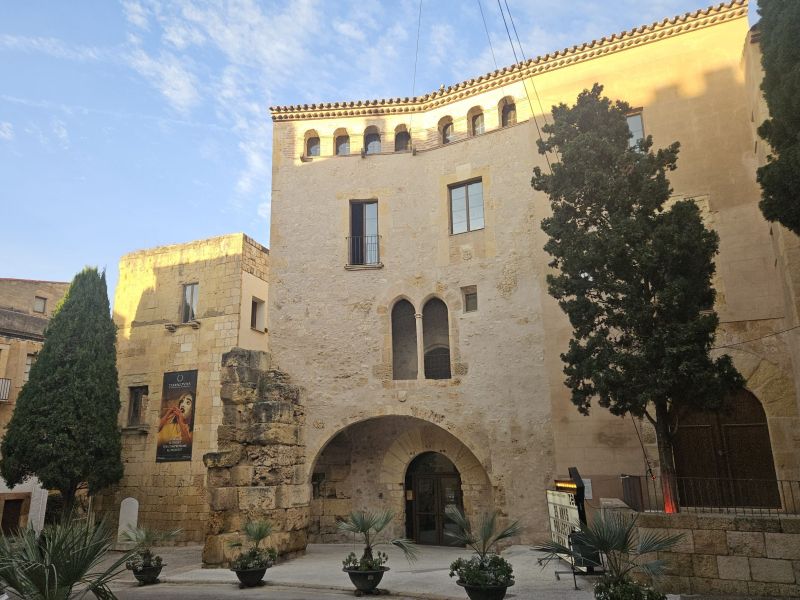

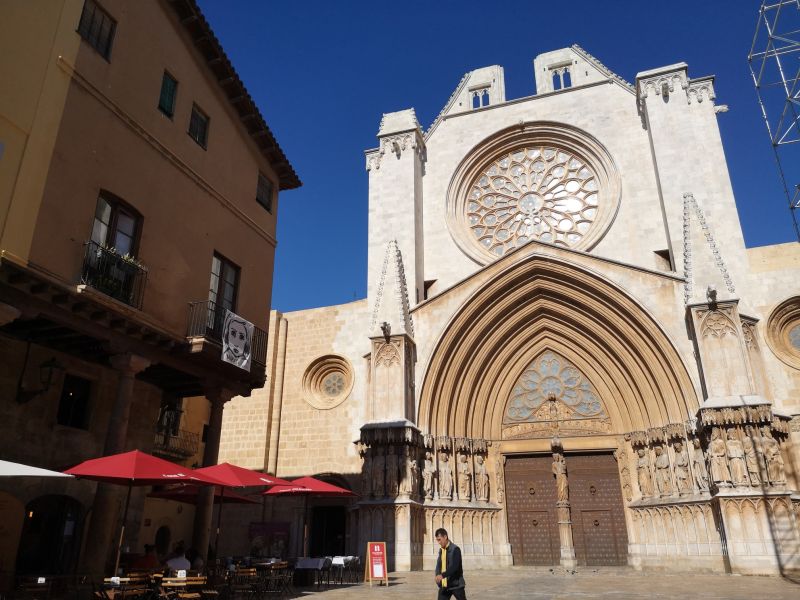
Tarragona Cathedral is a jewel of Catalan heritage whose walls hold a history spanning over 2.000 years. It is the largest cathedral in Catalonia due to its imposing dimensions and its Latin cross floor plan, which exceeds one hundred meters in length. This temple, dedicated to Saint Mary and Saint Tecla, marks the transition between Romanesque and Gothic art.
It boasts the largest rose window in Catalonia, with a diameter exceeding 11 meters, illuminating the interior of the main façade, and features a grand marble cloister adorned with nearly 300 sculpted capitals of great Romanesque value. Plan your visit and book your ticket at the cathedral website
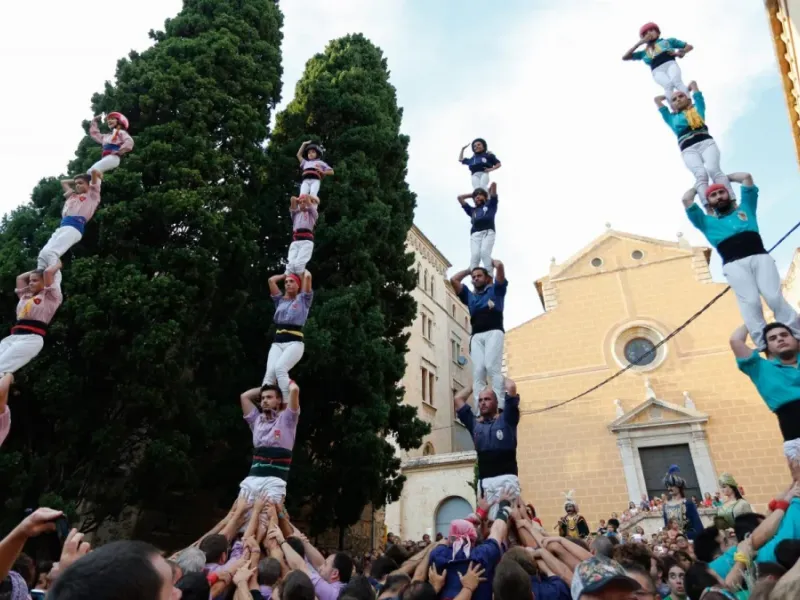
We recommend La Diada Castellera de Sant MagíOn August 19th at 12:00 noon in Plaça de les Cols in Tarragona, the Sant Magí Castellers Day will take place. This is one of the most important events of the season for the Xiquets de Tarragona, La Joven de Tarragona, the Xiquets del Serrallo, and the Castellers de Sant Pere i Sant Pau. The steps of the Cathedral and the main street will be packed to capacity to enjoy the human towers built by the city's four groups.
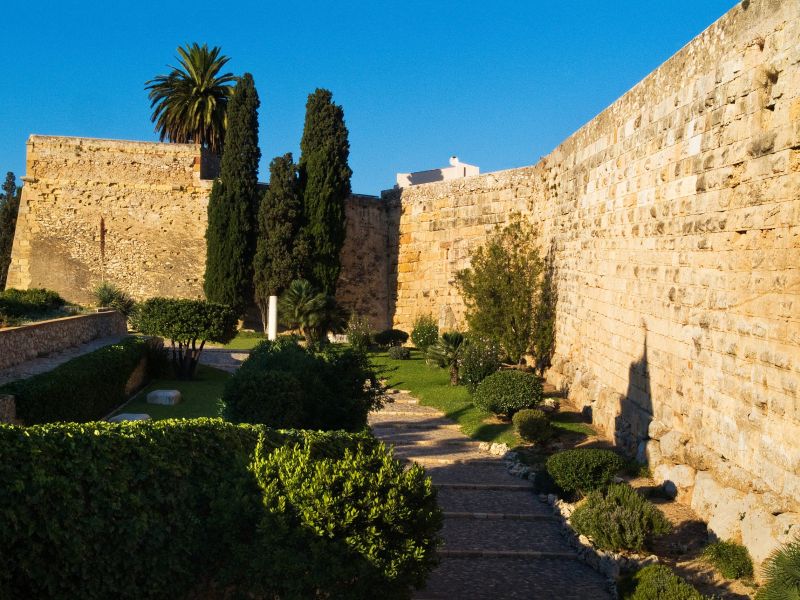
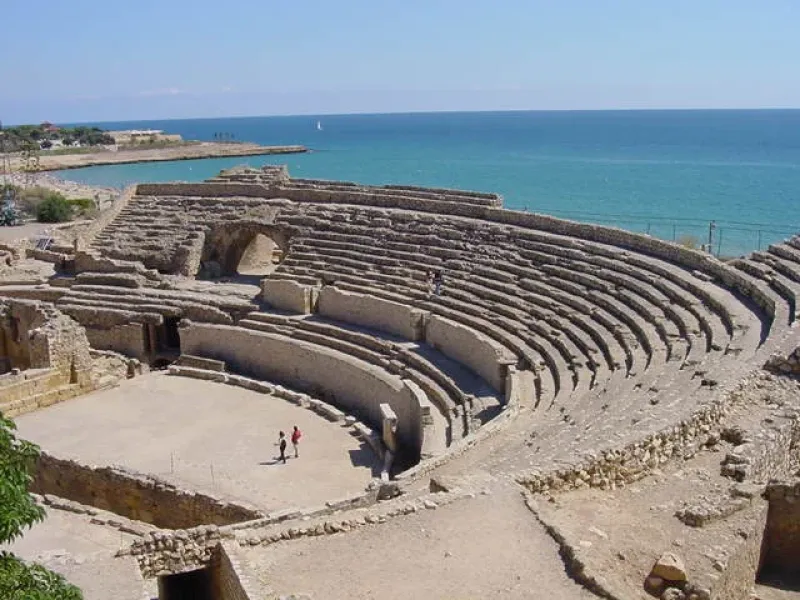
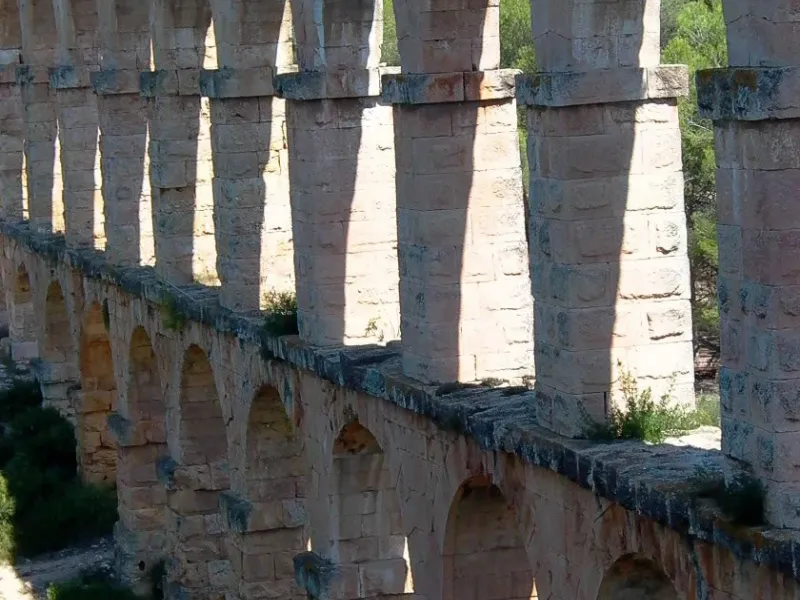
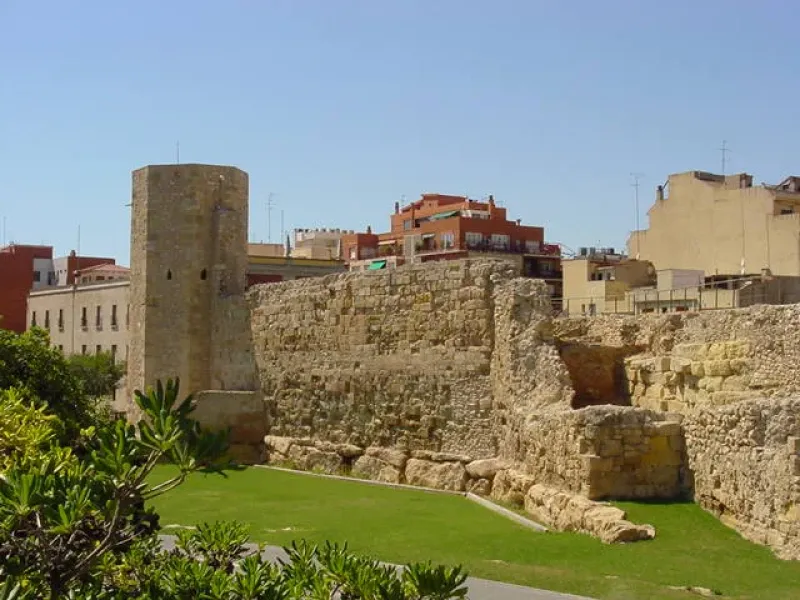
The city of Tarragona It has the oldest and most extensive Roman wall built outside of Italy, with the largest public square (Forum Provincial) in the Roman Empire, with a 217-meter-long aqueduct, considered one of the best existing examples of running water supply , with an amphitheater by the sea and an impressive 290-meter-long circus, among others.
In 218 BC, Scipio's troops founded the city of Tarraco as a key location in the second Punic Wars. In a short time the city became the brand new capital of the Roman province of Hispania Citerior.
Among the monuments and Roman remains of Tarraco are the Roman wall, the theater and the amphitheater, the Tower of the Scipios and the necropolis. On the outskirts of the city we also find important Roman remains such as the Aqueduct of les Ferreres or the Arco de Bará, a monument declared a World Heritage Site by Unesco in 2000.
Tarragona offers a varied and typical Mediterranean and seafood cuisine, based on natural ingredients complemented by olive oil and wine. The "arrosejats", the "suquets de peix", the sea bream with salt and the "fish zarzuela" are worth noting. The queen of sauces is romesco that combines perfectly with all kinds of fish.
From the indoor kitchen, the calçotada and xató stand out. El Serrallo is the endearing fishermen's neighborhood of Tarragona, with fishing being one of the most important activities in the area, both in terms of the number of boats and the value of the catch.
In the fishing district of Serrallo you will find various restaurants with a great culinary offer, fish and seafood to savor the best romesco on the coast, rice of all kinds and fresh seafood from Tarragona "alive and well".
Tarragona has several active "human tower groups":
-
Xiquets from TarragonaFounded in 1970, it is one of the oldest in the city.
-
Colla Jove Xiquets from Tarragona: It was formed in 1980 and is a youth group associated with the Xiquets de Tarragona.
-
Serrallo Xiquets: It was created in 1988 and is known for its performances in the city.
-
Colla Castellera de Sant Pere i Sant PauFounded in 1990, it is also one of the local "colles" in Tarragona.
-
Pataquers of the URV: It is a university "colle" that was formed in 2007 and participates in the city's human tower activities.